The 10 Numbers Behind the AI Compute War in 2026 (Everyone Is Begging for Megawatts)
Renting an Nvidia H100 costs 60% more than last year, CEOs are personally begging rivals for chips, and the biggest deals in tech are starting to look circular. Welcome to the electricity era.
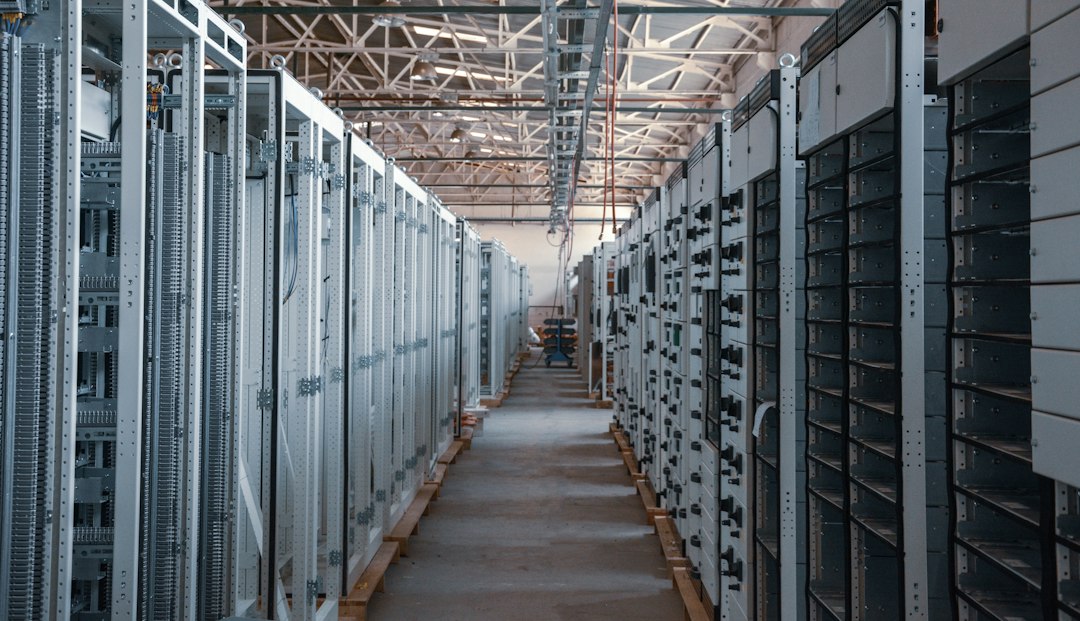
A server-room aisle. Computing power is now the scarcest resource in AI. Photo by İsmail Enes Ayhan on Unsplash.
Let's stop pretending the AI race is about who has the smartest model.
Here is the uncomfortable truth: in 2026, the AI race is about electricity. Whoever controls the megawatts controls the models, and right now the entire industry is cold-calling rivals, signing deals that would make dot-com bankers blush, and paying 60% more for the same chips they rented last year.
This article is not a list of data centers. It is about what happens when intelligence becomes a commodity measured in gigawatts.
1. Renting an H100 costs 60% more than it did a year ago
The single most brutal number in the Wall Street Journal's October 10 investigation: the hourly cost of renting computing power from Nvidia H100 chips on a one-year contract has risen 60% in the past year, according to SemiAnalysis.
- Demand is so far ahead of supply that prices are doing the thing prices do when there is no alternative.
- As one executive put it: "You take it with a grain of salt until it's real."
The so what: the chip shortage is over. The chip famine is here, and it has a 60% markup.
(Source: WSJ)
2. Alphabet is spending up to $200 billion this year, mostly on AI infrastructure
Google's parent expects as much as $200 billion in capital expenditures this year, with much of it going toward AI infrastructure.
- That includes $40 billion for three new data centers in Texas through 2027, in Armstrong and Haskell counties, plus its existing Midlothian campus and Dallas cloud region.
- One company. One year. Two hundred billion dollars, largely to keep the lights on for AI.
The so what: a single company's annual infrastructure bill is now larger than the GDP of most countries.
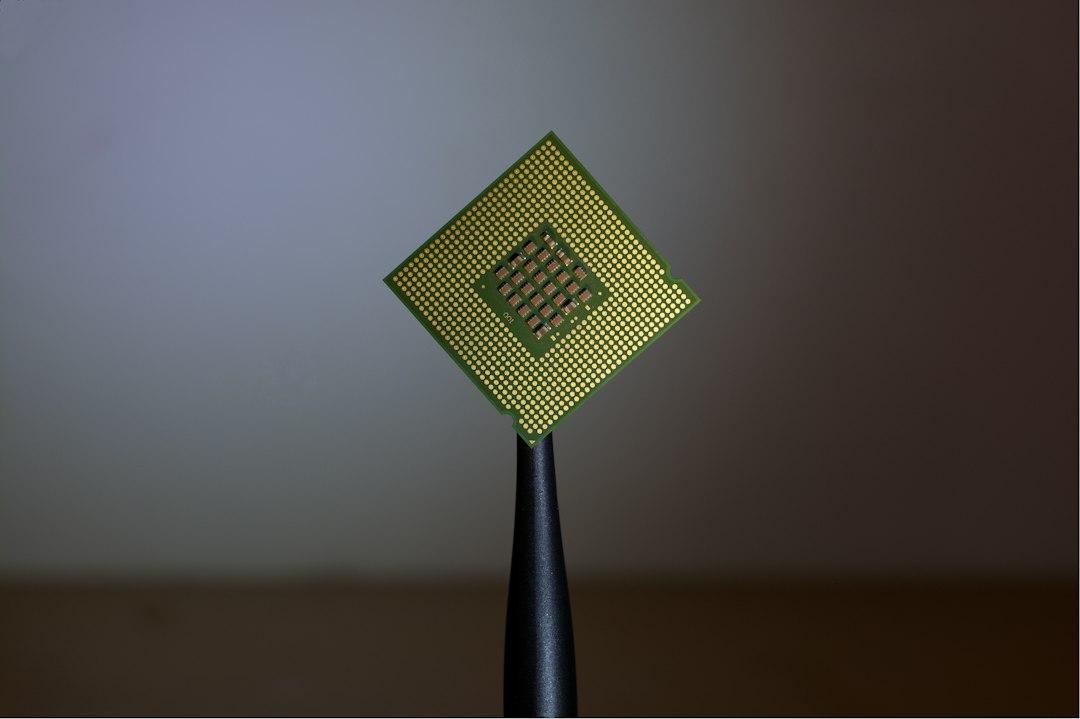
A processor held by tweezers. Renting H100 chips costs 60% more than a year ago. Photo by Brian Kostiuk on Unsplash.
3. Anthropic's co-founder flew to Elon Musk's office to beg for chips
Even the busiest AI executives are now personally negotiating over computing power.
- In late March, Anthropic co-founder Tom Brown visited Elon Musk at xAI's offices in Hawthorne, California, to broker a deal to rent computing power from the rival company.
- The cause: the explosive success of Claude Code had created a computing crunch at Anthropic, contributing to frequent outages.
Stop and appreciate the scene: the co-founder of the safety-first AI lab, flying to the office of the man who publicly trashed his company, to ask for server time.
The so what: when the product works too well, success becomes an infrastructure emergency.
(Source: WSJ)
4. Anthropic then leased 300 megawatts from SpaceX, for up to $45 billion
The Musk relationship did not end with a polite no.
- In May, Anthropic announced it would lease more than 300 megawatts of computing power from Musk's SpaceX, part of a deal later revealed to be worth up to $45 billion in the coming years.
- Musk, who had previously been publicly critical of Anthropic, posted on X that he was "impressed" with members of Anthropic's senior team, adding: "No one set off my evil detector."
The so what: rockets and chatbots are now the same business, because both run on power and money.
(Source: WSJ)
5. Then Amodei called Meta. Meta said no.
Dario Amodei also got on the phone with Meta's chief AI officer Alexandr Wang earlier this year, trying to source more computing capacity.
- According to people familiar with the matter, Meta debated whether to hand chips to Anthropic.
- Meta ultimately decided not to, for now.
- This is all on top of the hundreds of billions of dollars in computing deals Anthropic has already announced over the past year.
The so what: the compute market now runs on CEO phone calls, and even the richest labs are getting told no.
(Source: WSJ)
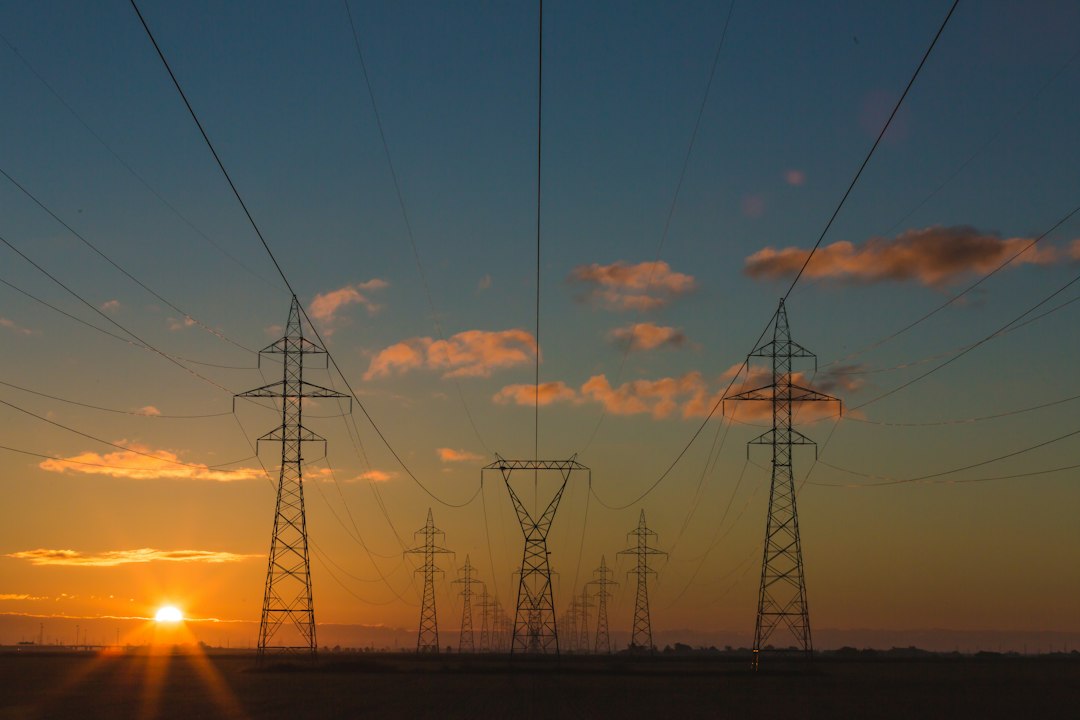
Power lines at sunset. The AI race is really a race for megawatts. Photo by Matthew Henry on Unsplash.
6. Microsoft and Nvidia are buying their way into Anthropic, $15 billion at a time
The partnership merry-go-round keeps spinning.
- Microsoft will invest up to $5 billion and Nvidia up to $10 billion in Anthropic, while Anthropic pledges $30 billion to run its workloads on Microsoft's cloud.
- The deal commits up to 1 gigawatt of compute powered by Nvidia's Grace Blackwell and Vera Rubin hardware, and the two will co-develop chips and models.
The so what: everyone is simultaneously everyone else's customer, investor, and landlord. Try drawing that org chart.
(Source: GoldSea)
7. Nvidia is putting $100 billion into OpenAI, one gigawatt at a time
The biggest handshake of them all:
- Nvidia and OpenAI announced a partnership to develop upwards of 10 gigawatts of AI data centers, powered by millions of Nvidia GPUs.
- Nvidia will progressively invest $100 billion in OpenAI with each gigawatt deployed, with the first coming online in the second half of 2026.
- Ten gigawatts powers roughly 8 million US homes. The project needs 4 to 5 million GPUs, twice what Nvidia shipped in all of 2024.
The so what: the chipmaker is now funding its biggest customer to buy more of its chips, and nobody in the room finds this strange.
(Source: The Deep View)
8. CoreWeave has $42 billion in contracts and $15 billion in debt
The middlemen are living the most dangerous version of this game.
- CoreWeave has racked up over $42 billion worth of contracts with tech companies renting its servers in coming years, including a $6.5 billion expansion of its OpenAI deal.
- It carries around $15 billion of debt and owes $56 billion in data center lease payments, usually on 10-year terms.
- The catch: its deals with tech companies typically run only two to five years. If the wave of building proves bigger than needed, CoreWeave pays billions for empty buildings.
The so what: the entire compute economy is financed on the assumption that demand never blinks. That is a brave assumption.
(Source: WSJ)
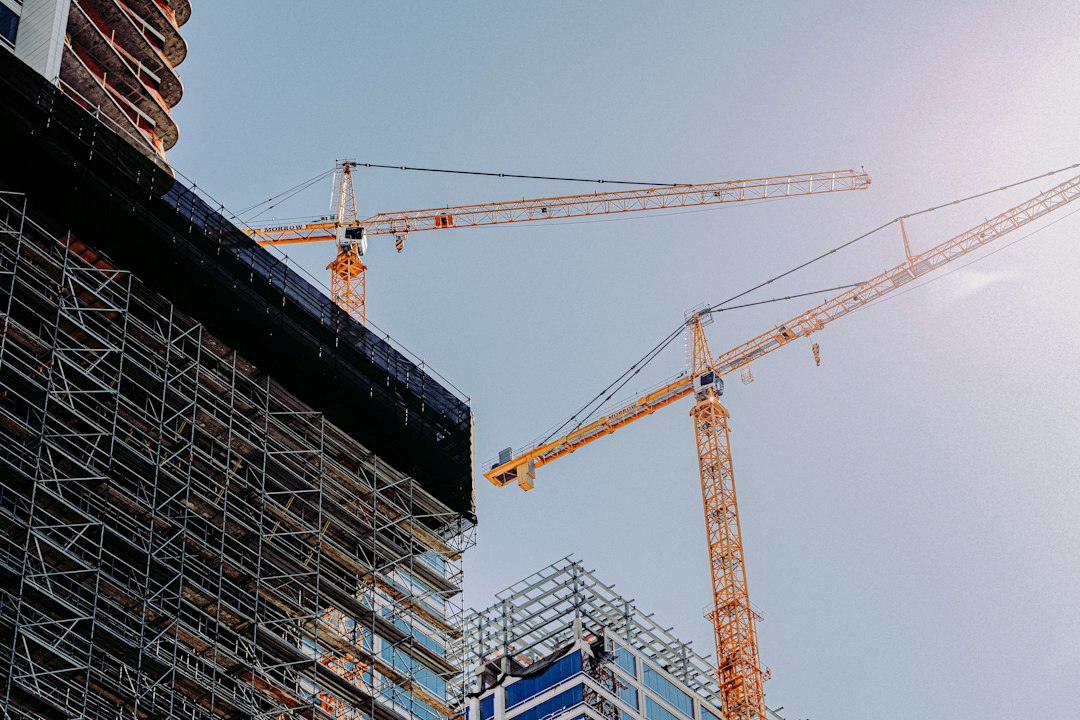
Construction cranes over a building site. Data centers are the new skyscrapers. Photo by Frames For Your Heart on Unsplash.
9. Stargate, the $500 billion moonshot, is struggling to pick a building site
Even the flagship projects are stuck on the basics.
- Six months after the Stargate announcement, the WSJ reports the project is struggling to get off the ground and has sharply scaled back near-term plans.
- The holdup is almost comically physical: finding sites, constructing buildings, sourcing enormous amounts of power, buying chips. Two partners cannot even agree on where to build.
- Meanwhile OpenAI signed a colossal 4.5 gigawatt deal with Oracle instead, the equivalent of two Hoover Dams of electricity.
The so what: you can announce half a trillion dollars. You cannot announce a power grid into existence.
(Source: WSJ What's News)
10. The deals are starting to look circular
Zoom out and the pattern gets uncomfortable.
- Nvidia invests in OpenAI, which buys millions of Nvidia chips. OpenAI buys compute from Oracle, which buys Nvidia GPUs. Nvidia owns about 5% of CoreWeave and sells it chips; CoreWeave's biggest customer is Microsoft, which invests in OpenAI, shares revenue with OpenAI, and buys Nvidia chips. Nvidia has invested in xAI and supplies it processors.
- Nothing in these circular deals is transparent: where the money comes from, what the cross-ownership implies for valuations, what it means for competition. These arrangements are raising eyebrows because they echo the circular financing of the late 1990s, when vendors and clients inflated each other's dot-com valuations without generating real value.
The so what: when everyone funds everyone, nobody knows who is actually profitable. The dot-com generation learned this the expensive way.
(Source: Naked Capitalism)
How to start (for developers watching this)
- Writers: the H100 60% figure plus the "evil detector" quote is your opener. Nobody forgets either.
- Builders: if your startup rents GPUs, lock in longer contracts now. The price curve is not bending down.
- Marketers: "AI-powered" is becoming "electricity-powered." The honest pitch is infrastructure, not magic.
The real pattern
Every number in this article is a different way of saying the same thing: intelligence has become a utility, and utilities are won by whoever controls the power plants. The models were supposed to be the scarce resource. They are not. The scarce resource is a plug in the wall, and the entire tech industry is now in the business of begging for one.
Final thoughts
Two years ago the bottleneck was talent. Last year it was chips. This year it is electricity, and the deals being signed to secure it will decide which companies exist in five years.
The smartest model in the world is just a very expensive paperweight without a gigawatt behind it.
Yes, AI helped write this. It did the typing. I gave the ideas and I did the editing and orchestrating.
If this saved you money or taught you something, buy me a coffee. It keeps the articles coming.
Follow along. Clap if it earned it.