The 7 Reasons Your Raise Died in 2026 (Sridhar Vembu Just Apologized For It)
AI is not taking your job this year. It is taking your hike, and the most honest CEO in software just told you why.
 Sridhar Vembu. Zoho's founder apologized this week: no pay hikes this year. (Credit: Forbes India)
Let's stop pretending the AI jobs debate is about layoffs. The real 2026 story is quieter and meaner: your employer is spending your raise on GPUs.
Here's the uncomfortable truth: Zoho just cancelled its usual salary increases, and the founder's reason was AI costs.
This article is not about robots replacing you. It is about where your salary went.
1. The apology
On October 13, 2026, Sridhar Vembu wrote on X that Zoho will not offer its usual salary increases this year. His words: "I have apologised for not being able to avoid this."
- The culprits, in his order: surging AI expenses, a fourfold rise in server prices, and an uncertain business outlook.
- Zoho has cut its marketing budget and is holding back the hikes to control costs.
- Geopolitical uncertainty sits on top of all of it.
A founder apologizing for the raise you did not get. That is a new genre of corporate communication.
(Source: Firstpost)
2. Your raise is currently a RAM stick
Vembu says server prices have risen fourfold. The memory market is worse.
- A 64GB DDR5-5600 kit averaged $191 in August 2025. By August 2026 it was $1,118, a rise of about 485%.
- A 128GB DDR5-6400 kit went from a low of $329 to $3,399.
- DDR4 prices rose 120% to 177% year on year.
Vembu's own line on X: memory prices, along with AI token prices, have made business "very difficult." Zoho has held back from raising prices, but, he says, it is becoming hard.
The hardware your company buys got 5x more expensive. Your salary was the offset.
(Source: The Times of India)
3. The hiring budget is the AI budget now
This is the sentence that matters most. In August, Vembu wrote: "The money that would have gone to new employees is now going to AI and data centre costs."
- Zoho has avoided mass layoffs. It has also barely hired.
- Company budgets that once funded headcount now fund AI infrastructure and data centres.
- Vembu warned the outlook for software jobs in general is grim, while promising to work to avoid large layoffs.
AI did not fire anyone at Zoho. It just took the money that would have hired them, and the money that would have raised them.
(Source: NDTV)
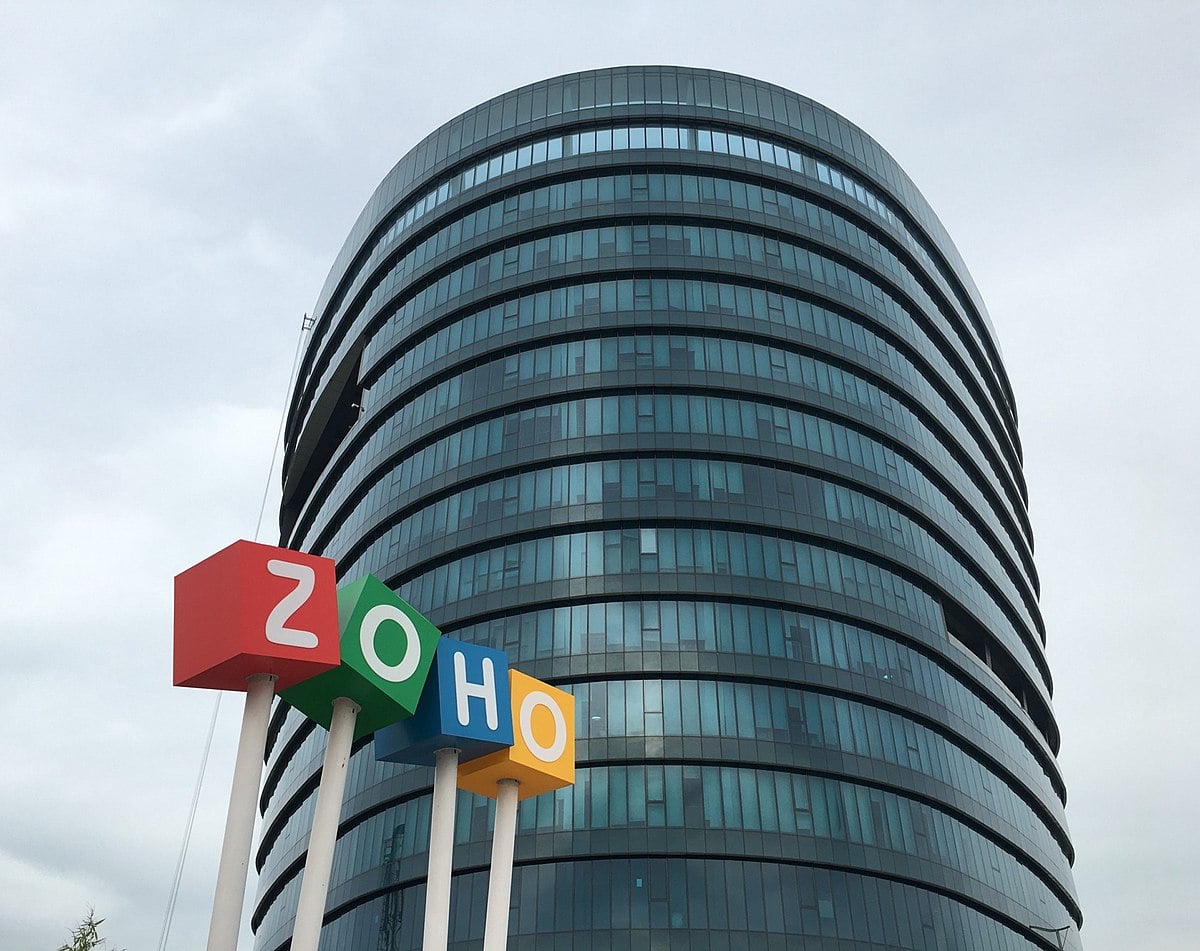 Zoho's Chennai headquarters. The company has not grown its employee count in 18 months. (Credit: TechStory)
4. The freeze is the new firing
"We have not been growing our employee count for 18 months now," Vembu said. Most employees, he added, understood the situation.
- No layoffs. No hiring. No raises. The triple freeze.
- This is the playbook spreading across software: keep the people, starve the growth, redirect the savings to compute.
- It looks humane next to layoffs. It feels the same in your bank account.
A company that does not hire and does not raise is shrinking you without firing you.
(Source: Firstpost)
5. Vembu asked whether the world needs more software
In the same August post, Vembu wrote the line the industry will not stop quoting: "While AI allows us to produce more software quicker, does the over-saturated global software market need a lot more software?"
- His argument: software is becoming a commodity industry. Growth slows. Competition shifts to quality, reliability, and brand.
- AI makes every developer more productive, arriving exactly when the market needs less new software.
- Enterprise customers are reallocating IT budgets toward AI, while even fast-growing AI companies borrow heavily to fund capex.
Ten times the output, one tenth the demand. That math does not end in raises.
(Source: Business Today)
6. He named the easy answer and rejected it
Firstpost reports Vembu has also pushed back on universal basic income as the fix, calling that vision dystopian. No hand-waving about a post-work utopia. Just the plain statement that the jobs math is broken and the fashionable answer is wrong.
Say what you want about the man: he tells you the bad news himself, on X, before the press release. The apology, the numbers, the grim outlook, all in his own words.
That is rarer than any pay hike.
(Source: Firstpost)
7. So what does a developer actually do
This is the part for you, the person reading this on a work laptop:
- Become the person who makes AI cheaper, not more expensive. The developer who cuts the token bill is worth more than the developer who demos the chatbot.
- Learn the cost stack. Model prices, memory prices, inference margins. Vembu just showed you the P&L. Read it like one.
- Build where software is not a commodity. Quality, reliability, brand: the three words Vembu says the industry is shifting toward. Pick work that lives there.
- Small models, tight loops. The era of throwing the biggest model at every problem is how companies end up cancelling hikes. Efficiency is the new seniority.
The developers who survive the freeze are the ones who treat compute like money. Because now it literally is.
How to start
- Salaried developers: audit your own AI spend this week. Tokens per task, per feature. Bring your manager a number, not a demo.
- Team leads: the "no hire" constraint is real. Your leverage is making five people produce like eight, at the cost of six.
- Founders: Vembu's math is your math. Price your product like memory costs 5x, because it does.
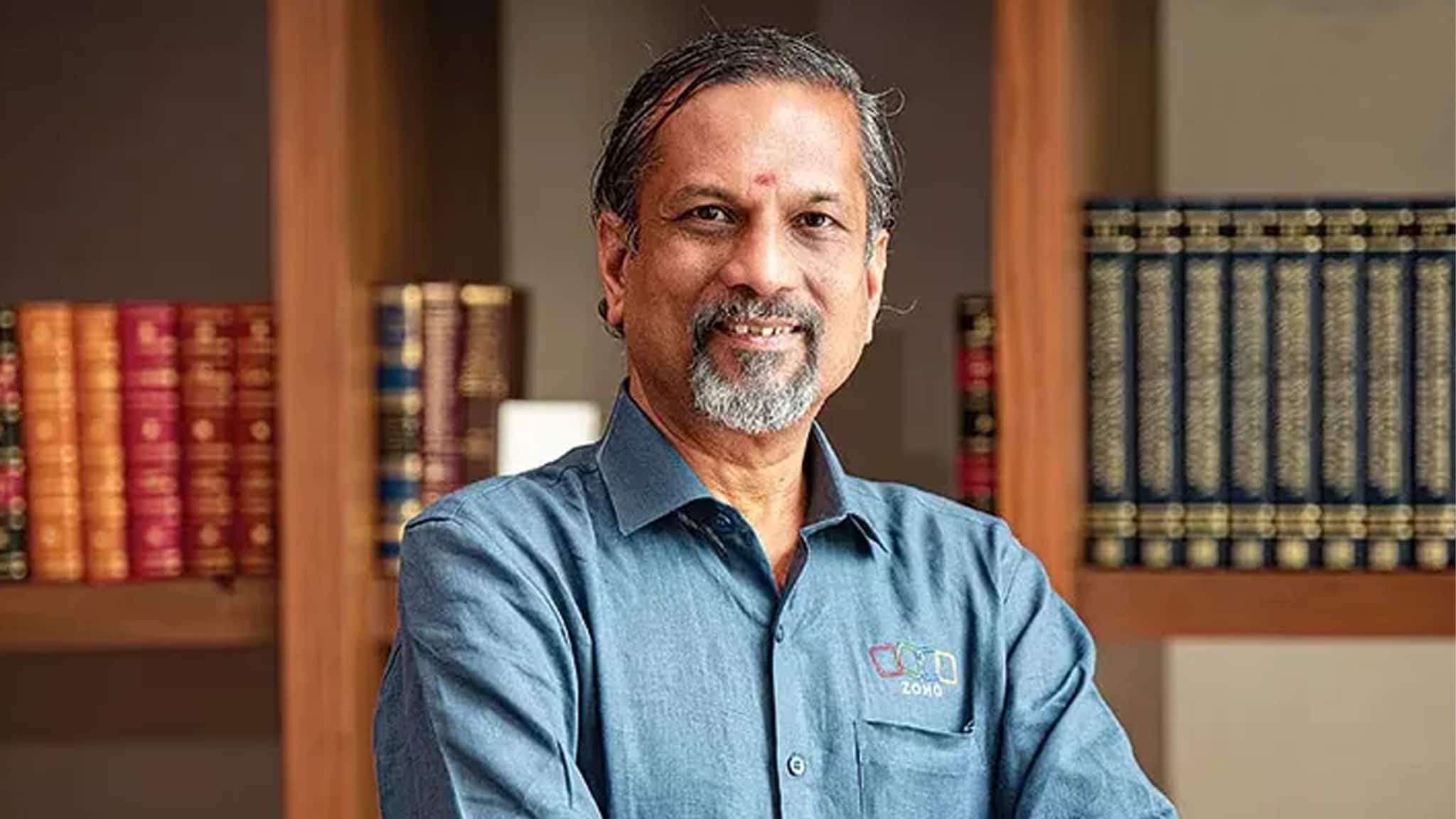 Vembu has warned the software jobs outlook is grim, while working to avoid mass layoffs. (Credit: MoneyControl)
The real pattern
AI was sold as productivity. It arrived as overhead. The companies that survive are not the ones with the best models. They are the ones whose costs do not eat their people.
Final thoughts
Your raise did not disappear. It was reallocated, line by line, to servers and tokens. The honest CEOs will tell you. The rest will call it a "challenging macro environment."
Yes, AI helped write this. It did the typing. I gave the ideas and I did the editing and orchestrating.
If this saved you money or taught you something, buy me a coffee. It keeps the articles coming.
Follow along. Clap if it earned it.