The 8 Things Microsoft's Maia 300 Proves in 2026 (Memory Is the New FLOPS)
Nvidia spent a decade selling you math. Microsoft just bet gigawatts that the future is selling memory.
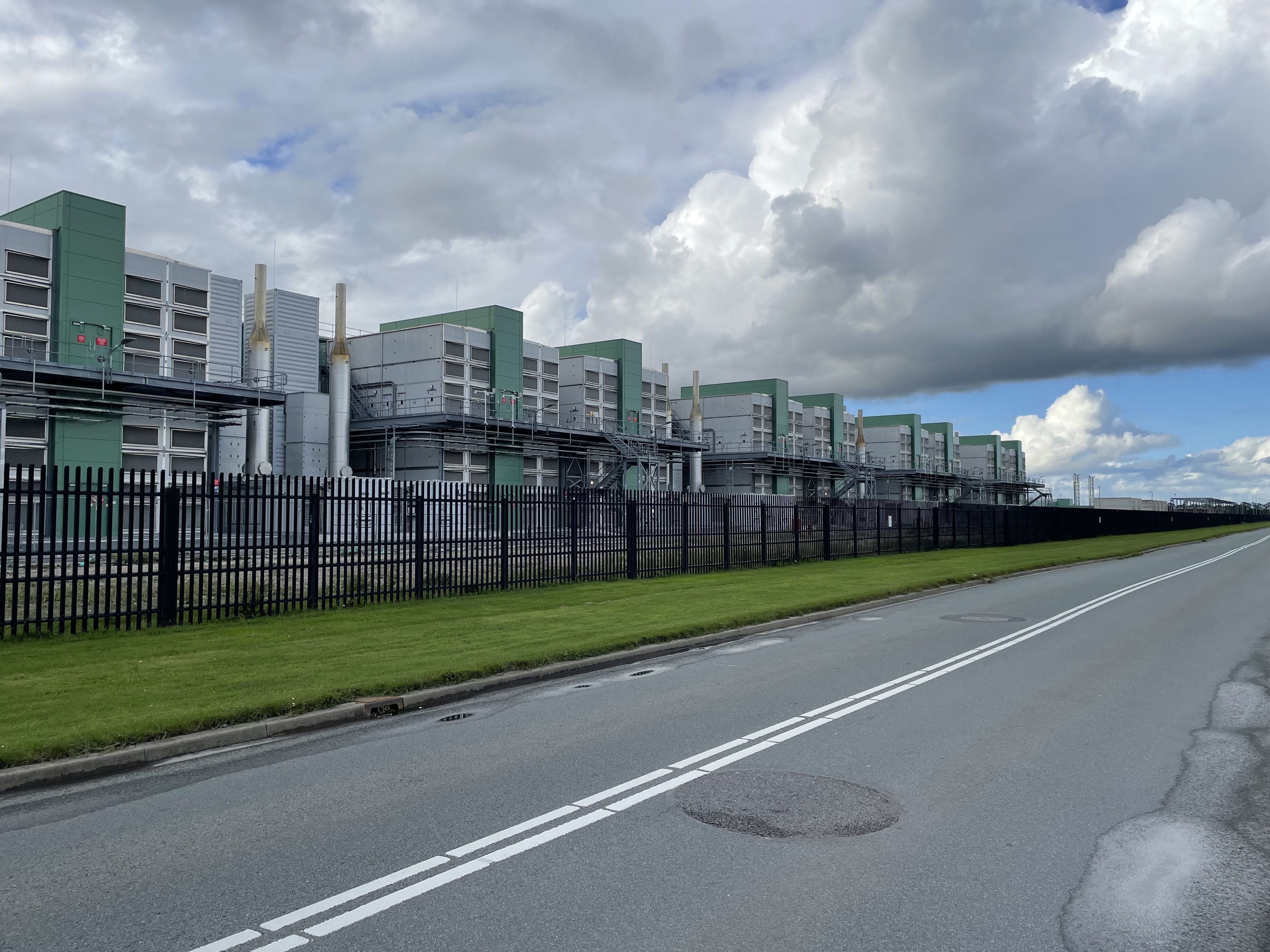 Microsoft's datacenter in Middenmeer, the Netherlands. Maia 300 will live in buildings like this one. Photo: Hay Kranen via Wikimedia Commons (CC BY 4.0)
Let's stop pretending the chip race is about bigger numbers. Microsoft's newest AI chip barely grows its compute. It more than doubles its memory. That is not an accident. That is the strategy.
Here's the uncomfortable truth: Nvidia's moat was never really FLOPS. It was being the only shop in town. Microsoft just opened a competing shop, and it refuses to play Nvidia's game.
This article is not a spec sheet for Maia 300. It is about what Microsoft understood that changes where every inference dollar flows.
1. Microsoft stopped optimizing compute and went all-in on memory
The numbers tell the whole story. Maia 300 grows raw compute by 36 percent. It grows memory bandwidth by 2.5 times. One of those is an upgrade. The other is a worldview.
- Maia 200 gave you 216 GB of HBM3e at 7.1 TB/s. Maia 300 gives you 288 GB of HBM4 at 18 TB/s
- Compute chiplets moved to TSMC's N2P process, while memory and I/O sit on their own dies
- This is the first multi-chiplet design in the Maia family, and the split is deliberate
The part of the chip that got the investment is the part Nvidia never talks about.
(Source: tech-ish.com)
2. The inference bottleneck is memory, not math
When a model writes you a reply, the chip spends most of its time waiting for data to arrive from memory. Moving the data, Microsoft said, "rather than raw compute power, is increasingly the bottleneck" in large inference systems.
- Every long conversation builds a KV cache, the model's short-term memory, that must be stored and read back constantly
- Agentic workflows make it worse: agents read their own history over and over
- Raw floating-point operations matter less than keeping data close and moving it fast
Everyone benchmarks FLOPS. The bill is charged in bytes moved.
(Source: tech-ish.com)
3. Maia 300 is a memory chip that happens to compute
Look at where the engineering effort went and tell me this is a compute chip. It is a memory system with some arithmetic attached.
- Eight stacks of HBM4, 288 GB capacity, 18 TB/s bandwidth per accelerator
- Software-managed on-die SRAM tuned for bandwidth per watt
- Enhanced MXFP4 format plus storage formats below 3 bits: smaller numbers, fewer bytes per token
- Hardware that converts between number formats quickly, plus new vector instructions for softmax and low-precision casting
If you can move the data cheaper, you can serve the tokens cheaper, and tokens are the only product anyone is actually selling.
(Source: brocker.org)
4. Microsoft is splitting its silicon strategy in two
Here is the part nobody headlines. Microsoft is not replacing Nvidia. It is firing Nvidia from half the job.
- Training still runs on Nvidia and AMD hardware, and Microsoft expects that to continue
- Serving, the day-to-day work of answering prompts, moves to Maia
- The model is simple: buy general-purpose silicon to train models, build custom silicon to serve them
(I will say this plainly: this is not a clean break from GPUs. Anyone selling you "Nvidia is dead" from this announcement is selling you something.)
Inference is the recurring revenue. Training is the capital expense. Microsoft just took the recurring part in-house.
(Source: webpronews.com)
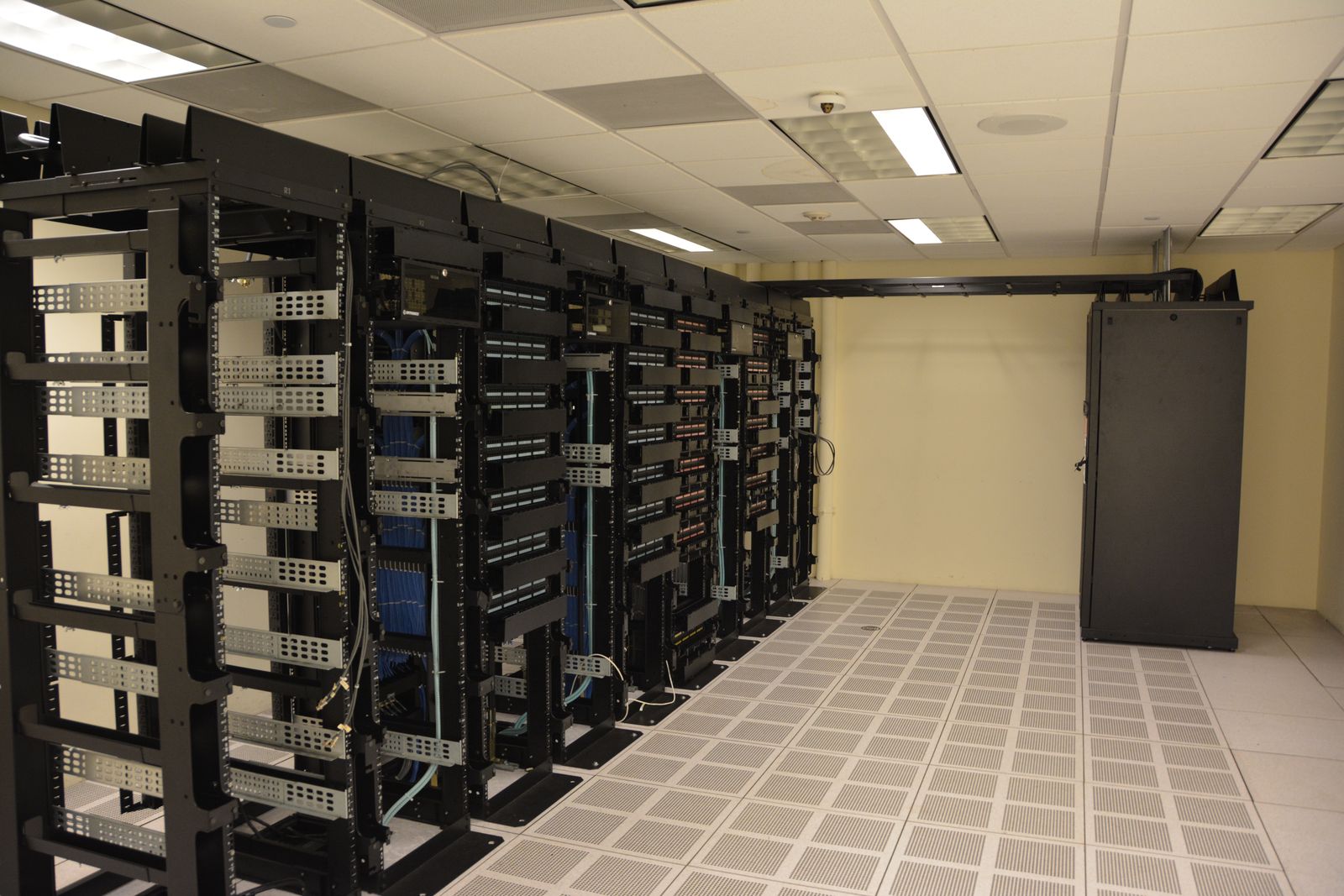 A full Maia 300 rack packs 96 accelerators into a 167 kW liquid-cooled envelope, double the density of Maia 200. Photo: Carl Lender via Wikimedia Commons (CC BY 2.0)
5. Copilot is moving in-house, and that is gigawatts of demand
This is not a research chip. It has a customer, and the customer is Microsoft itself.
- Scott Guthrie said Maia will become Microsoft's primary inference system for products and services
- Multi-gigawatt deployments start in 2027, with production rollouts beginning that year
- Maia 200 already runs production workloads for Microsoft Copilot, GitHub Copilot, and Microsoft Foundry
- A full rack holds 96 accelerators with up to 7 times the rack-level token throughput of Maia 200
When your cloud vendor is also your chip's biggest customer, the economics stop being theoretical.
(Source: futurumgroup.com)
6. The 40 percent claim has an asterisk the size of a datacenter
Microsoft says Maia 300 delivers 40 percent more tokens per megawatt than leading GPU-based systems. Sounds great. Now the fine print.
- Microsoft does not name the GPU systems it compared against
- It does not say how the 40 percent was measured
- No independent benchmark has tested Maia against the GPUs it displaces
- It has not said how many gigawatts "multi-gigawatt" means, what the program costs, or whether Azure customers can rent Maia directly
Vendor benchmarks are advertising with numbers. Treat them that way.
(Source: tech-ish.com)
7. Nadella called it "our biggest bet yet on our own silicon"
Satya Nadella does not say things like that on X by accident. When the CEO personally brands the chip program, the budget meetings have already been won.
- Rani Borkar told Reuters the goal is "more intelligence for every watt, every dollar and every byte of memory"
- Analysts cited by GeekWire estimate Maia could be about 10 percent of Microsoft's AI chip spending by early 2027
- Maia 200 was sold in January on cost: 30 percent better performance per dollar than the newest hardware in the fleet
Ten percent of Microsoft's AI chip spend is more money than most chip startups will ever see. That is not an experiment.
(Source: webpronews.com)
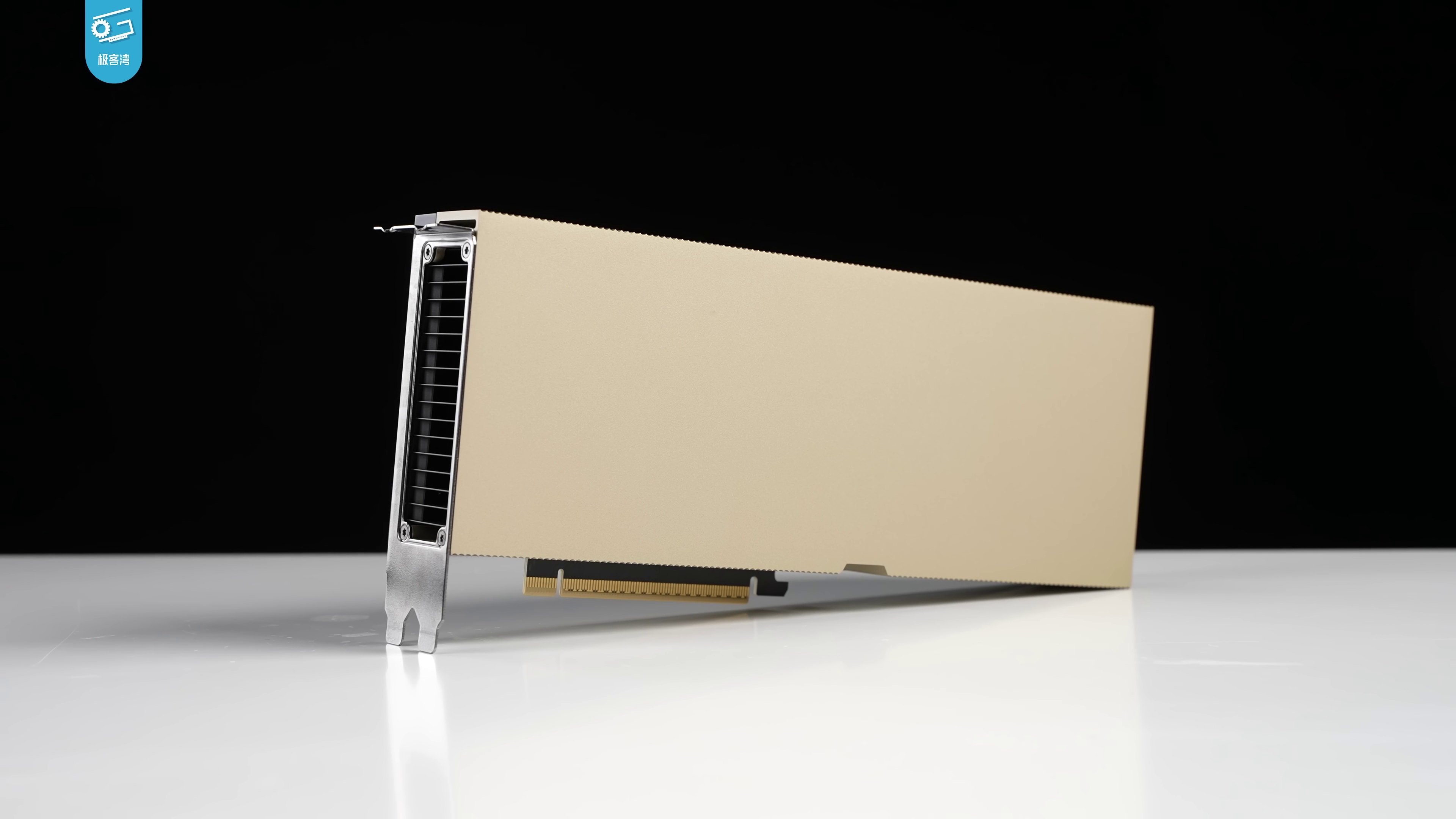 The Nvidia H100. Training still runs on hardware like this. Serving is quietly moving in-house. Photo: PantheraLeo1359531 via Wikimedia Commons (CC BY 3.0)
8. Google wrote this playbook first
None of this is new. Google has been running inference on its own TPUs for years, keeping the margin that would have gone to Nvidia. Microsoft is just walking a path Google already paved.
- The hyperscaler playbook: custom silicon for your own inference, merchant GPUs for training and overflow
- Amazon has Trainium, Google has TPUs, Meta has MTIA, Microsoft now has Maia at real scale
- Every gigawatt Microsoft fills with Maia instead of merchant GPUs moves a slice of roughly $15.4 billion of accelerator spending per gigawatt to first-party silicon
This is not the pin that pops the Nvidia bubble. It is the slow leak that deflates the premium.
(Source: futurumgroup.com)
How to start
You are not going to buy a Maia 300. Nobody outside Microsoft will. But you can still position for the shift.
- Builders: design for memory-bound inference. Long contexts and agentic loops are the workload that matters; optimize KV cache, not just prompts
- Founders: the cost of serving tokens is falling structurally. Price your AI product for the 2028 cost curve, not today's
- Infra folks: watch who follows. If Oracle or a sovereign cloud announces custom inference silicon, the trend is confirmed
- Investors: stop asking about FLOPS per dollar. Start asking about tokens per megawatt
You don't need all four. Pick one.
The real pattern
Every hyperscaler is discovering the same thing at the same time: training made Nvidia rich, but inference is where the volume lives, and volume always moves in-house. The chip race was never about who does the most math. It is about who serves the most tokens per dollar, and memory bandwidth is the number that decides it.
Final thoughts
Nvidia is not dying. It is being demoted: from the only supplier to the training supplier. That is still a magnificent business.
But the direction is set. The next decade of AI infrastructure will be built by companies that own their serving stack, and Maia 300 is Microsoft's loudest statement yet that it intends to be one of them.
Yes, AI helped write this. It did the typing. I gave the ideas and I did the editing and orchestrating.
If this saved you money or taught you something, buy me a coffee. It keeps the articles coming.
Follow along. Clap if it earned it.